
This is a validation post. Time: 2026-01-27 01:09:09
Dubai Escorts Agency Sets New Standards for Escort Girls Dubai and Luxury Escort Services
Dubai, known for its glamorous lifestyle and cosmopolitan vibe, has recently witnessed a significant transformation in the escort industry. A leading Dubai escorts agency has introduced innovative standards in professionalism, confidentiality, and luxury, raising the benchmark for escort girls Dubai, VIP escorts Dubai, and Dubai call girls. The move is being lauded by both clients seeking refined companionship and industry experts alike. Here’s a detailed look into how these new trends are shaping the future of escort services Dubai and why this initiative marks a pivotal moment for the entire region.
How Dubai Escorts Agency Innovates Escort Services Dubai
The emergence of top-tier Dubai escorts agency platforms has changed how people perceive and access escort services Dubai. Agencies now focus on selective recruitment, thorough training, and background checks to ensure that every Dubai escort not only possesses beauty and style but also discretion, etiquette, and adaptability to diverse social events. The https://dubai-stars.com/ platform epitomizes these industry advancements, offering unparalleled convenience for clients interested in luxury escorts Dubai. The website provides comprehensive profiles and real-time availability, guaranteeing safety and satisfaction throughout the engagement process.
Rising Demand for VIP Escorts Dubai: Exclusivity and Professionalism
Recent surveys suggest a substantial increase in the demand for VIP escorts Dubai, particularly among business travelers, high-net-worth individuals, and international tourists. This demographic values privacy, tailored experiences, and seamless communication. By prioritizing the needs of these clients, Dubai escorts agency services have shifted towards creating bespoke interactions that go beyond conventional offerings.
Luxury Escorts Dubai: Redefining Elegance and Entertainment
Hosting some of the world’s most exclusive social events, Dubai attracts a sophisticated clientele with a penchant for high living. Luxury escorts Dubai are more than just attractive companions; they are conversationalists, multilingual, and well-versed in etiquette for various occasions. This new generation of Dubai escort professionals is setting a gold standard in client satisfaction, all while maintaining utmost confidentiality and respect for privacy.
Key Features That Distinguish Leading Dubai Escorts Agency Services
- Comprehensive background checks and discreet verification processes for all escort girls Dubai.
- Personalized matching that aligns with the client’s interests for both business and leisure needs.
- 24/7 customer support to arrange Dubai escort services swiftly and securely.
- Strict adherence to the legal and ethical guidelines ensuring peace of mind for all parties involved.
Dubai Call Girls: Versatility in Modern Escorting
Gone are the days when Dubai call girls were limited to a handful of roles or events. The modern escort girls Dubai can now accompany clients to gala dinners, corporate functions, and even cultural festivals, reflecting their versatility and adaptability. According to data from sources like https://www.emiratesrc.ae/, the scope of escort services Dubai has expanded considerably, catering to a cosmopolitan, multicultural environment.
Escorts and Discretion: Building Trust in Escort Services Dubai
Discretion remains the cornerstone of any top-rated Dubai escorts agency. Clients want to enjoy elite company without worrying about privacy breaches. That’s why agencies invest heavily in staff training and technological safeguards. Keeping client information confidential not only fosters trust but also ensures smooth transactions and positive word-of-mouth.
Industry Analysts React to Changing Trends in Escort Girls Dubai
Market analysts monitoring the hospitality and adult entertainment sectors have noted a clear evolution. “We are seeing an increased appetite for quality over quantity. Clients are looking for VIP escorts Dubai who offer a holistic experience,” said an industry expert during a recent media briefing.
The Influence of Digital Platforms on Dubai Escort Services
Technology is a game-changer for escort services Dubai. With secure booking systems, real-time chat support, and detailed online profiles, clients can make informed decisions quickly. Agencies like those cited by https://www.ahdubai.com/ are already leveraging AI to match preferences efficiently, further underscoring the impact of digitalization on this sector.
What Sets Dubai Escort Apart Internationally?
Unlike other global destinations, Dubai’s unique blend of culture, business, and tourism drives the need for highly professional luxury escorts Dubai. Not only are these professionals meticulously groomed, but they are also adept at navigating multicultural interactions. This ability to merge elegance with substance positions Dubai as a prime destination for high-end companionship, setting its agencies apart from those in other international cities.
Future Prospects for Dubai Escorts Agency and Escort Girls Dubai
With the industry’s reputation on the rise and innovation at its core, the future looks promising for both Dubai escorts agency leaders and their clientele. Experts predict that VIP escorts Dubai will continue to see strong demand as discerning individuals prioritize discretion, excellence, and sophisticated experiences. Whether for social events, business dinners, or exclusive parties, escort girls Dubai and luxury escorts Dubai are ready to meet and exceed expectations.
Final Thoughts: Why Dubai Stands Out for Premium Escort Services
The evolving landscape of Dubai escort services reflects the city’s world-class stature in hospitality and personal service. By blending professionalism, luxury, and innovation, Dubai escorts agency pioneers have set unprecedented standards for the industry. As more people seek personalized, confidential, and high-end experiences, Dubai remains at the forefront, offering exceptional companionship through its discreet and trustworthy platforms.
Rising Popularity of Dubai Call Girls and Escort Services: A New Era for the Industry
Dubai continues to cement its place as a leading tourism and luxury hub, and one noticeable trend is the rising popularity of dubai call girls and other professional escort services. Recent data reveals a growing demand for escorts in dubai, with both expatriates and international visitors seeking exclusive companionship during their stay. This news article explores the evolving landscape of dubai escort girls, the increased professionalism of dubai escort agencies, and the thriving market for dubai independent escorts.
The Expansion of Escorts in Dubai: Modern Trends and Insights
The last few years have witnessed a remarkable evolution in the escort service dubai sector. With the city’s unique blend of cosmopolitan flair and luxury, a diverse clientele seeks out https://dubaiescorts.org to find high-end dubai call girls renowned for confidentiality, elegance, and professionalism. These dubai escorts offer tailored experiences, adapting to the dynamic lifestyle and preferences of Dubai’s elite and business communities.
More agencies are prioritizing client safety, sophisticated matching, and well-vetted dubai escort girls to maintain their reputation in a competitive marketplace. As a result, the number of escort agencies has surged, with many now offering digital booking, discreet consultations, and detailed profiles of their dubai escort girls to enhance transparency for discerning clients.
Dubai Escort Agency Standards: Setting New Benchmarks
A reliable dubai escort agency is expected to deliver not only companionship but also an elevated level of service and discretion. With tighter regulations and growing expectations, both local and international agencies are introducing new protocols to ensure the well-being of dubai call girls and their clients. Enhanced training, background checks, and professional support are now standard features, making the selection process for dubai escort girls safer and more inclusive.
Agencies are also responding to the demand for diversity, expanding their networks to include professionals from various backgrounds and cultures. The emphasis on cultural sensitivity and personal interests helps to create meaningful connections between clients and dubai escorts, further boosting the prestige of their services.
Dubai Call Girls and Independent Escorts: Personalized Experiences
The rise of dubai independent escorts is shaping the industry in new ways. Unlike traditional agency-based models, independent escorts provide clients with more flexibility and personalized attention. Social media and online platforms have empowered dubai call girls to build their own reputations, offer customized services, and maintain direct communication with clients.
Clients often turn to independent dubai escorts when seeking unique experiences and authenticity, valuing the direct connection and discretion offered by these professionals. Recent testimonials and reports show high satisfaction rates among clients who opt for independent escort service dubai options, citing personalized companionship and above-average privacy.
Technological Advancements in Escort Service Dubai
Technology is playing a critical role in revolutionizing the dubai escort agency landscape. Advanced booking systems, live chat support, and instant verification processes make it easy for clients to find dubai escort girls that match their specific preferences. This trend is echoed by industry leaders who highlight the importance of data security and client confidentiality in the ever-evolving market for dubai call girls.
For a comprehensive list of trusted agencies and to stay updated on the latest trends, clients can refer to information available at https://dubaiescorts.org and similar reputable sites. The industry’s embrace of digital solutions signifies a move towards greater professionalism and client focus.
Detailed guides and independent reviews are increasingly featured on platforms such as https://dubai-hotgirls.com, allowing potential clients to make informed decisions when selecting among the top dubai escorts available in the market.
Industry Outlook: The Future of Dubai Escorts
As global travel continues to recover and Dubai remains a top destination for luxury seekers, the demand for high-quality dubai escort girls and dubai independent escorts is projected to grow. More agencies will likely invest in advanced vetting, transparency, and customer satisfaction.
With ongoing social and technological shifts, the dubai escort agency sector is set to break new ground in client care, innovation, and diversity. This is further complemented by reviews from major online sources like https://uaeescortsgirls.com, which offer deep insights into current trends and safety protocols.
In conclusion, the present and future of escort service dubai remain bright, driven by a commitment to quality, privacy, and the changing needs of a multicultural, global audience seeking world-class companionship from reliable dubai escorts.

Perpetuals on DEXes: How to Find Real Liquidity, Not Hype
Whoa! They promised deep liquidity with near-zero fees for active traders. At first it felt like entering a new market fast and noisy. Initially I thought the AMM designs were the core advantage, but after testing different pools and funding regimes, I realized orderbook-like dynamics and fee mechanics actually determine real-world slippage for large sized fills. Here’s what bothered me the most about the surface pitch: the numbers looked great on paper, though execution told a different story.
Seriously? My instinct said pay attention to funding spreads. This is where small edge becomes big edge for pro traders. On one hand funding can be a predictable carry; on the other hand it can flip violently during gamma squeezes or degen weekends, and that volatility eats PnL. Hmm… somethin’ about that asymmetry bugs me when protocols market “stable funding” as a headline.
Short-term makers chase yield. They hop between pools based on incentives. For a perpetual with real depth you want persistent, rational LPs and professional market makers. Initially I thought incentives alone would attract that capital, but then I saw that fee model, funding distribution, and execution latency actually decide whether those LPs stay. So the design matters more than any one promotional APR figure.
Okay, so check this out—there are three liquidity regimes that matter to traders. The first is tight scalping depth within a narrow band, which suits low-latency hedge funds that take tiny edges. The second is directional depth for larger block trades where slippage curves and effective spread dominate. The third is contingent depth that only becomes available under certain market conditions, and that one is the riskiest to rely on because it’s conditional and often correlated with tail events.
Here’s the thing. Fee rebates and maker-taker incentives can distort true cost of execution. A pool with high advertised rebates might still present wide realized spreads when you size up. On paper the fees look low very very low, but the post-trade slippage can wipe out that advantage. I’m biased, but I prefer platforms where funding and fees are aligned with risk, not just token emissions.
Liquidity provision on perpetuals is a different animal than AMM spot LP. For one, perpetual markets carry funding flows that continuously transfer value between longs and shorts. This creates a drift in LP inventory that you must manage. If you provide liquidity without hedging, your position can accumulate direction, and that translates into realized loss when markets correct. Actually, wait—let me rephrase that: unmanaged directional accumulation is the single biggest unseen risk for passive LPs.
So what do professionals do? They hedge. They run delta-neutral strategies by pairing perpetual LP exposure with offsetting spot or futures positions on another venue. They also ladder limits, use TWAP execution, and split exposure across pools to reduce concentration risk. On one hand that sounds complex; on the other hand it’s just disciplined risk management done at scale, and that discipline is what separates sharps from hobbyists.
Funding rate mechanics deserve their own spotlight. Short-biased and long-biased markets create very different funding regimes, and funding volatility correlates with liquidation cascades. If funding spikes, liquidity can evaporate as directional LPs pull out, and that compounds slippage for anyone trying to exit. So you need to model not only average funding but tail funding behavior under stress, because that’s when real costs appear.
Execution latency also matters more than most people admit. Milliseconds matter to arbitrageurs and market makers, and on-chain settlement delays change the calculus for risk. A protocol with on-chain settlement that batches can increase filled slippage versus a near-instant layer that supports fast off-chain matching. On the other hand, on-chain transparency reduces counterparty ambiguity, though actually it’s a tradeoff between speed and settlement certainty.
Check this out—risk-weighted liquidity is the metric I watch. It’s not just nominal depth listed at top of book; it’s how much depth remains after you stress test against a 1% and 5% move, and after you factor in funding-driven withdrawals. You can backtest this by simulating fills across historical moves, and that’ll show the realized execution cost vs. naive expectations. That simulation will surprise you more than once.
Where Hyperliquid fits into the picture
I started using Hyperliquid as part of that simulation stack, and the experience shaped my playbook. The interface gave me consistent depth for mid-to-large ticket sizes during normal volatility, but I also ran stress scenarios to see how the pool behaved under runway events. I won’t pretend it’s perfect—no venue is—but the design choices align more with professional market-making practices than with one-off incentive farming. If you want to check it yourself, this is the official place to start: https://sites.google.com/walletcryptoextension.com/hyperliquid-official-site/
Okay, real talk—there’s an operational checklist you should use before risking capital. First, measure effective spread for your target ticket sizes across a range of vol scenarios. Second, model funding transfers and simulate inventory drift across your LP horizons. Third, verify counterparty and settlement mechanics: is margin isolated or shared, and how does liquidations process affect available depth? These steps are tedious, but they prevent expensive surprises.
One practical LP strategy I’ve used is “staggered hedge provisioning.” You provide concentrated depth via limit-like liquidity within bands, and you simultaneously run a passive hedge on spot or inverse futures that you rebalance with a TWAP. This reduces directional accumulation and lets you collect fees and funding. It requires active ops and monitoring though, so it’s not for everyone… but it scales if you automate properly.
Another tip: use cross-venue execution for large blocks. If your target size exceeds local depth, split fills across venues using smart order routing and liquidity-aware slicing. That reduces market impact and steals away the illusion of a single “deep” venue. On one hand it’s extra complexity; on the other hand it’s how top desks keep slippage low and PnL predictable.
Here’s what bugs me about some guides out there: they treat liquidity as static. It’s dynamic, path-dependent, and often endogenous to incentive design. Fee structures can create transient liquidity that vanishes when token emissions drop, and that cyclical depth is dangerous to anchor strategies on. I’m not 100% sure about long-term outcomes for some models, but I’d rather see conservative on-chain proofs of sustained participation than flashy APR figures.
Implementation risk matters as much as theoretical yield. Smart-contract design, bug bounties, and upgradeability paths affect how safe your capital really is. Audits help, but they’re not guarantees. Also, UI/UX for execution matters—poor UX leads to human errors during stressed markets, and those mistakes cost money. So check settlement cadence, margining rules, and emergency mechanisms before you deploy capital.
Final thought: trading perpetuals on DEXes is maturing. There’s real infrastructure now—sophisticated AMMs, hybrid orderbooks, and professional LP programs—but the game is still about edge. Edge comes from modeling funding behavior, hedging inventory, and executing size with discipline. I’m biased toward venues that prioritize predictable liquidity and professional market-making incentives, though I’ll admit some of the newer experiments could surprise us in good ways.
FAQ
How do funding rates affect LP returns?
Funding rates are a continuous transfer between longs and shorts that alters LP inventory economics. If your LP accumulates directional exposure, funding can either offset or exacerbate unrealized PnL, depending on market skew. Model funding in your backtests and simulate tail scenarios to see real impacts.
Is impermanent loss the same for perpetual LPs as spot LPs?
Not exactly. Perpetual LPs face inventory drift driven by funding flows and mark-price moves, so impermanent loss manifests differently and interacts with funding. Hedging and active rebalancing reduce that effect, but they introduce execution costs that must be counted.
What execution strategies reduce slippage on DEX perpetuals?
Split large orders across venues, use liquidity-aware slicers, ladder limit liquidity, and combine TWAP rebalancing with active hedges. Also, monitor funding spikes and avoid forcing exits during cascading liquidation events, because liquidity disappears when you need it most.

Wie du dein OpenSea-Konto richtig anlegst — ehrliche Tipps von einem Käufer aus DE
Okay, ganz ehrlich: Ich hab’s anfangs total unterschätzt. Seriously? Ein NFT-Marktplatz anmelden — wie kompliziert kann das schon sein? Kurzfassung: Es geht schneller als gedacht, aber es gibt Fallstricke. Meine erste Anmeldung war ein Mix aus “Wow, cool” und “Hmm… was passiert jetzt eigentlich?”
Ich erinnere mich noch genau an den Moment, als ich zum ersten Mal Wallet-Connect sah — das war wie dieses eine Tech-Gadget, das du unbedingt ausprobieren willst. Etwas fühlte sich seltsam sicher und gleichzeitig nervös an. Mein Instinkt sagte: Vorsicht. Dann hab’ ich’s trotzdem gemacht. Und gelernt. Die gute Nachricht: Man kann sich ziemlich einfach einrichten, wenn man weiß worauf es ankommt.
Warum ein OpenSea-Konto (eigentlich: Wallet) wichtig ist
Kurze Erklärung: Auf OpenSea hast du kein klassisches Konto mit Passwort. Du verbindest eine Kryptowallet (MetaMask, Coinbase Wallet, WalletConnect-Partner) — das ist dein Login. Echt jetzt, das ist der Kern.
Das heißt auch: Du bist dein eigener Schlüsselverwalter. Das ist befreiend. Und auch ein bisschen beängstigend. Ich bin biased, aber das macht die Sache auch persönlich. Wenn du deine Seed-Phrase verlierst, gibt’s kein Support-Ticket, das das für dich wiederherstellt. Sehr sehr wichtig.
Schritt-für-Schritt: Konto (Wallet) einrichten und verbinden
Okay, so check this out — das ist mein pragmatischer Workflow, den ich inzwischen fast immer benutze:
1) Wallet wählen. MetaMask ist beliebt in DE. Coinbase Wallet ist simpler für Einsteiger. WalletConnect verbindet viele mobile Wallets. Ich hab beides probiert; MetaMask fühlt sich flexibler an, Coinbase einfacher.
2) Wallet installieren und Seed sicher notieren. Schreib die Seed-Phrase physisch auf. Wiederhole sie. Versteck sie nicht in einer Datei auf dem Desktop — trust me, das endet schlecht.
3) Wallet mit OpenSea verbinden. Auf OpenSea klickst du oben rechts auf ‘Wallet verbinden’ und folgst der Anleitung. Das ist oft nur ein paar Klicks. Zwischenschritt: Prüfe, welche Adresse du verbindest — manchmal hat man mehrere Accounts, sehr leicht verwechselbar.
4) Profil anlegen. Das ist optional, aber empfohlen. Name, Avatar, Bio. Hier kannst du Persönlichkeit zeigen — und ja, das hilft beim Verkauf. Ich habe mein Profil zuerst schlampig gemacht (typisch), und später gemerkt: besser gepflegt = mehr Vertrauen.
Meine Fehler (lerne aus meinen Stolpersteinen)
Ich sag’s frei heraus: Ich hab’ einen Transaction Fee-Schock bekommen. Seriously, Gas Fees können einen sofort zurückschrecken. Besonders wenn du die falsche Network-Einstellung nutzt. Tipp: Auf dem Ethereum-Hauptnetz kosten manche Aktionen mehr; prüf vorher.
Oh, und diese eine Zeit, als ich aus Versehen ein anderes Token signiert habe… ouch. Immer genau lesen, was du signierst. Meine Lektion: Nicht automatisch alles bestätigen, nur weil ein Popup nett aussieht.
Eine weitere Sache, die mich nervt: Phishing-Seiten. Sie kopieren OpenSea ziemlich gut. Mein Instinkt sagte damals: etwas stimmt nicht. Gut, dass ich aufgehört habe. Wenn du dir unsicher bist, gehe immer über die offizielle Seite oder nutze verifizierte Links — zum Beispiel für Anleitungen oder Login-Hilfen gibt’s oft offizielle Seiten; ein hilfreicher Einstieg ist opensea nft login.
OpenSea-Sammlung erstellen — los geht’s
Eine Sammlung (Collection) ist dein Portfolio. Kurz: Du legst Metadaten, Cover, Royalties und Kategorien fest. Du kannst direkt NFTs minten oder bestehende listen. Ich rate: Nimm dir Zeit für ein ansprechendes Coverbild — das wirkt in der Vorschau.
Technisch ist es simpel. Kreativ ist es schwerer. Du brauchst eine Story. Leute kaufen Geschichten, nicht nur Pixel. (Oh, und by the way: leg’ dir ein konsistentes Farbschema zu — das hilft wirklich.)
Sicherheit & Best Practices
Hier wird’s etwas analytischer. Zuerst ein paar klare Regeln:
– Niemals deine Seed-Phrase online teilen. Niemals. Ich wiederhole: Niemals.
– Signiere nur, was du verstehst. Wenn eine Transaktion ungewöhnlich aussieht (z. B. “unbegrenzter Token-Zugriff”), stoppe sofort.
– Nutze Hardware-Wallets für größere Summen. Trezor oder Ledger sind nervig in der Einrichtung, aber für hohe Werte sehr sinnvoll.
– Verwende unterschiedliche Wallets für Sammeln und für Handel, wenn du mehr Sicherheit willst. Das klingt übertrieben? Vielleicht. Aber mein Gefühl: besser vorsorgen als hinterher lamentieren.
Gebühren, Netzwerke und praktische Tipps
Gas-Fees sind der Pain-Point. Darum: Schau, ob du auf Layer-2-Lösungen wie Polygon listest — viele Collections unterstützen das und sparen Gebühren. Auf OpenSea kannst du zwischen Ethereum und Polygon wählen. On one hand willst du maximale Sichtbarkeit, though actually: Gebühren können Verkäufe im Keim ersticken.
Ein weiterer Tipp: Wenn du etwas kaufen willst, check vorher das Angebot des Verkäufers. Manche Listings haben versteckte Anforderungen (z. B. Mindestpreis, Auktionen mit Reserve). Ich hab mich da schon sehr sehr oft geärgert — kleines Durcheinander vermeidbar.
Persönliche Einschätzung: Für wen lohnt sich OpenSea wirklich?
Hmm… für Sammler mit digitalem Geschmack und Händler mit Nerven. Wenn du Kreativität suchst und bereit bist, dich mit Wallets zu beschäftigen, ist OpenSea super. Wenn du niedrigschwelliger starten möchtest, such dir Plattformen mit fiat-onramps — aber die Kontrolle ist dann geringer.
Ich bin nicht 100% sicher, ob OpenSea langfristig das Nonplusultra bleibt — Konkurrenz und Regulierungen könnten vieles verändern. Aber aktuell ist es ein sehr nützlicher Marktplatz mit großer Reichweite.
Häufig gestellte Fragen
Wie melde ich mich bei OpenSea an?
Du verbindest eine Wallet (z. B. MetaMask). Es gibt kein Passwort wie bei klassischen Seiten. Folge den Anweisungen auf OpenSea und bestätige die Verbindung in deiner Wallet-App.
Welche Wallets funktionieren mit OpenSea?
MetaMask, Coinbase Wallet, WalletConnect-kompatible Wallets und Hardware-Wallets (Ledger/Trezor) sind gängig. Wähle nach Komfort und Sicherheitsbedürfnis.
Kann ich Gebühren vermeiden?
Nicht komplett. Du kannst Gebühren minimieren, z. B. durch Nutzung von Polygon-Listings oder durch Timing bei niedriger Netzwerkauslastung. Aber jede Transaktion hat Kosten.

Why Sterling Trader Pro Still Matters for Serious Day Traders
So I was mid-session one Friday when the platform hiccuped and I scribbled some notes. Whoa! The hit was small, but it woke me up. Initially I thought it was a router problem, but then realized the issue traced back to order routing priorities inside the desk. On one hand the interface felt dated, though actually the responsiveness under heavy load kept me trading while others lagged. My instinct said the old dogs still had teeth.
Seriously? That old-school look can fool you. I’ll be honest—I’m biased toward tools that give me granular control. Something felt off about shiny new UIs that hide stuff behind menus. Hmm… somethin’ about a direct feed and a single keystroke beats a flashy chart any day. The trade-offs are subtle and they matter when you’re running 50 lots in FAST markets.
Wow! The depth-of-market, ladder trading, hotkeys and direct market access aren’t just features. They are workflows. A good DOM shortens reaction time by a beat or two, and in day trading that beat is money. Initially I undervalued hotkeys until a couple of slippage-heavy mornings taught me to customize every order string. Actually, wait—let me rephrase that: customization is survival, not luxury.
Here’s the thing. Execution architecture is the secret sauce. On one hand you want a low-latency path to exchanges and smart order routing. On the other, you need reliable risk checks and controls at the desk. If you ignore the latter you’ll babysit errors and lose sleep. My experience with brokers who shoehorn in a platform without matching backend systems was rough. Long story short: know the whole stack.
Whoa! Latency numbers look good on paper. Medium-term averages hide microbursts though. Initially I thought pings under 10 ms were overkill, but after a few missed fills I got serious. Traders underestimate microstructure effects; the queue position matters. I’m not 100% sure of every broker’s claims, but trust and verification are non-negotiable.
Okay, so check this out—installation and setup can be easy or nightmarish, depending on your IT. Really? Yes. If your firm has the right middleware and FIX gateways, the platform slides right in. If not, you spend weeks mapping ports and staring at logs. I once spent two days just getting a feed to match timestamps; it taught me to insist on a pre-deployment checklist.
Whoa! The customization engine is deep. You can remap keys, build complex order templates, and chain orders with conditional logic. That level of control reduces finger gymnastics and cognitive load. On a busy morning I run five layouts and flip between them without missing a beat. My workflow is messy and practical, not pretty.
Something else: data integrity. Hmm… market data glitches are the silent killers. You trust price ticks, but if the feed has gaps or duplicates, your algos will behave badly. Initially I blamed the strategy, though later realized the gateway scrambled certain packets during heavy prints. The fix was at the feed layer, not the trading logic.
Wow! The platform’s FIX compliance matters for desks that plug into execution management systems. If you want to hook algos from your quant team or route complex VWAP/TWAP strategies through the broker, FIX is the common language. I’m biased toward open connectivity—closed ecosystems bug me. (oh, and by the way…) The fewer proprietary shackles, the better your ability to iterate fast.
Whoa! The monitoring hooks and audit trails are surprisingly robust. Long, deep logs let you reconstruct issues and defend fills when you need to. Initially I thought logs were overkill, but once a regulatory review demanded minute-by-minute proof, the history saved the day. You need evidence as much as speed.
Seriously? The learning curve is real. New traders expect point-and-click charts to do the heavy lifting. That’s not how institutional-grade platforms operate. They require discipline and training. On one hand this can be frustrating, though on the other it forces better trading hygiene—templates, risk limits, rehearsed flows. My students who slogged through setup later thanked me.
Whoa! Integration with market data vendors and low-latency co-location options makes all the difference. Some setups let you run the platform from a cloud instance near the exchange. That reduces hops. However, there are tradeoffs with operating system compatibility. Sterling Trader Pro historically favors Windows environments, and if you’re tempted to run on Mac you may need virtualization. I’m not 100% sure about every third-party solution, but plan accordingly.
Here’s the rub. Cost and support vary widely. Paying for premium support often pays for itself. My desk once paid for same-day engineer help and recouped the cost within a session. Service matters more than sticker price when a market opens and everything moves. If the provider treats you like a number, that’s a red flag.
Whoa! Hotkeys again—can’t overstate this. A well-crafted hotkey map is a muscle memory thing. Over time you stop thinking and trade. That reduces execution latency and emotional noise. On the flip side, untested hotkeys can be disastrous. One misbound key once flipped a whole position. That was expensive and embarrassing.
Okay, so check this out—order types and conditional logic are where advanced traders separate from novices. Iceberg orders, reserve sizes, and synthetic order combos let you manage market impact. Initially I used market orders for speed, but after watching slippage erode returns I switched tactics. Now the toolkit includes limit algorithms and staged fills.
Whoa! The platform’s risk controls are customizable. You can hard-stop exposures, set seat-level permissions, and block errant algo runs. That’s crucial when multiple traders share a seat. My instinct said the controls would be paper-thin, though I was pleasantly surprised. Still, you should test every control under realistic stress conditions.
Something felt off about vendor change management at one firm. They pushed updates without clearly communicating breaking changes. That led to a morning scramble. I’m biased, but I prefer slow, documented rollouts. Ask for change logs, version pinning, and rollback options. Trustworthy vendors treat updates like surgery, not experimentation.
Wow! Custom scripting engines can extend the platform in powerful ways. You can automate workflows, glue external data signals, or integrate risk overlays. On one hand this accelerates edge creation; on the other, it increases complexity. I once shipped a script that created race conditions under load. Lesson learned: code review matters.
Really? The community and third-party ecosystem are underrated. Plugins, shared layouts, and community-built tools save time. I borrowed a layout from another pro that became my favorite. Sharing practical templates is more valuable than many paid features. (I’m not 100% sure about compatibility across versions though.)
Whoa! Resilience and uptime are non-negotiable. A brownout during an opening print can cost more than a year’s licensing fee. I put uptime near the top of my vendor checklist. Verify their service-level agreements and incident response commitments. If they balk, walk away.
Okay, so check this out—the integration path for algos and smart order routers matters when you scale. If your strategy volume grows, you want a platform that doesn’t force architectural rewrites. Initially I thought small hacks would work long-term, but scale forces better design. On the bright side, platforms with open APIs are easier to adapt.
Whoa! Performance tuning is an ongoing practice. Keep OS, network drivers, and firmware current. Long story short: your stack is only as strong as its weakest link. Consistent monitoring, a clean operating environment, and periodic stress tests keep surprises at bay. My routine checks feel like ritual now.
Here’s what bugs me about vendor hype: they tout one metric and hide the rest. Ping times are useful, but packet loss and jitter tell the full story. Ask for end-to-end metrics under load and real-world trade scenarios. Don’t be shy—ask for a demo run using your instruments and strategy types.
Wow! Training and documentation are underrated. When a new trader joins, a well-documented workflow keeps mistakes from turning into losses. Build a playbook and run practice drills. It’s dull, but it pays dividends when high-volume sessions hit.
How I Use sterling trader in a Live Desk
I use sterling trader as the backbone for my intraday execution because it lets me map order flows directly to desk behavior. My layout favors a large DOM, a small central blotter, and a risk tile that overlays seat exposure. Initially I thought less was more, but when markets get chaotic I want the noise filtered yet the critical signals front-and-center. On one hand it’s technical; on the other hand it’s ergonomics and muscle memory too.
FAQ
Is Sterling Trader Pro good for novice day traders?
Short answer: maybe. It’s powerful but has a learning curve. If you value control and plan to scale to a professional desk, it’s worth the investment. If you trade casually, a simpler platform might be friendlier at first.
What should I test before deploying it on a live account?
Test order routing, latency under load, risk control triggers, and recovery across disconnections. Run simulated sessions that replicate your peak volume. Also verify vendor support SLAs and patch rollback procedures.
Does it require Windows?
Generally yes—native support favors Windows. You can run virtualized instances on Mac or cloud hosts, but that adds layers. Plan for that if you’re not on Windows machines.
Warum die OKX Wallet Extension für deutsche DeFi-Nutzer mehr ist als nur ein Browser-Plugin
Fragt sich jemand, ob die Wahl der Browser‑Wallet für DeFi-Strategien tatsächlich einen messbaren Unterschied macht? Diese Frage ist nicht akademisch: die Wallet ist das Interface zwischen Ihrem Selbstverwahrungs-Privatvermögen und einer zunehmend komplexen Web3‑Infrastruktur. In diesem Beitrag analysiere ich mechanisch, wo die OKX Wallet Extension ihre Stärken und Schwächen hat, wie sie sich technisch unterscheidet, welche operationalen Kompromisse Nutzer in Deutschland bewusst eingehen — und welche Signale man beobachten sollte, bevor man größere Positionen oder automatisierte Strategien darauf laufen lässt.
Kurz vorweg: die OKX Wallet Extension ist keine Einheitslösung. Sie kombiniert eine non‑custodial Architektur mit Multi‑Chain‑Funktionalität, Hardware‑Wallet‑Support und KI‑Assistenz. Das klingt verführerisch, doch die Relevanz hängt von drei praktischen Bedingungen ab: dem Sicherheitsmodell Ihres Setups, Ihrer Toleranz für Cross‑Chain-Operationen und der Frage, wie viel Verantwortung Sie für Schlüsselmanagement übernehmen wollen.
Wie die OKX Wallet Extension technisch funktioniert — Mechanik und Konsequenzen
Mechanismus zuerst: OKX Wallet Extension ist eine non‑custodial Web3‑Wallet. Das heißt technisch, die privaten Schlüssel werden lokal auf dem Gerät verschlüsselt gespeichert und nicht an OKX‑Server gesendet. Wiederherstellung läuft über die klassische 12‑ oder 24‑Wörter‑Seed‑Phrase. Diese Architektur verschiebt die Verantwortung: kein Verwahrer-Risiko, dafür volles Schlüssel‑Risiko beim Nutzer. Für deutschsprachige Nutzer bedeutet das konkret, dass regulatorische Argumente für Verwahrung (z. B. KYC/AML auf Exchanges) hier nicht greifen — die Risikoquelle ist primär Operational Security (OpSec).
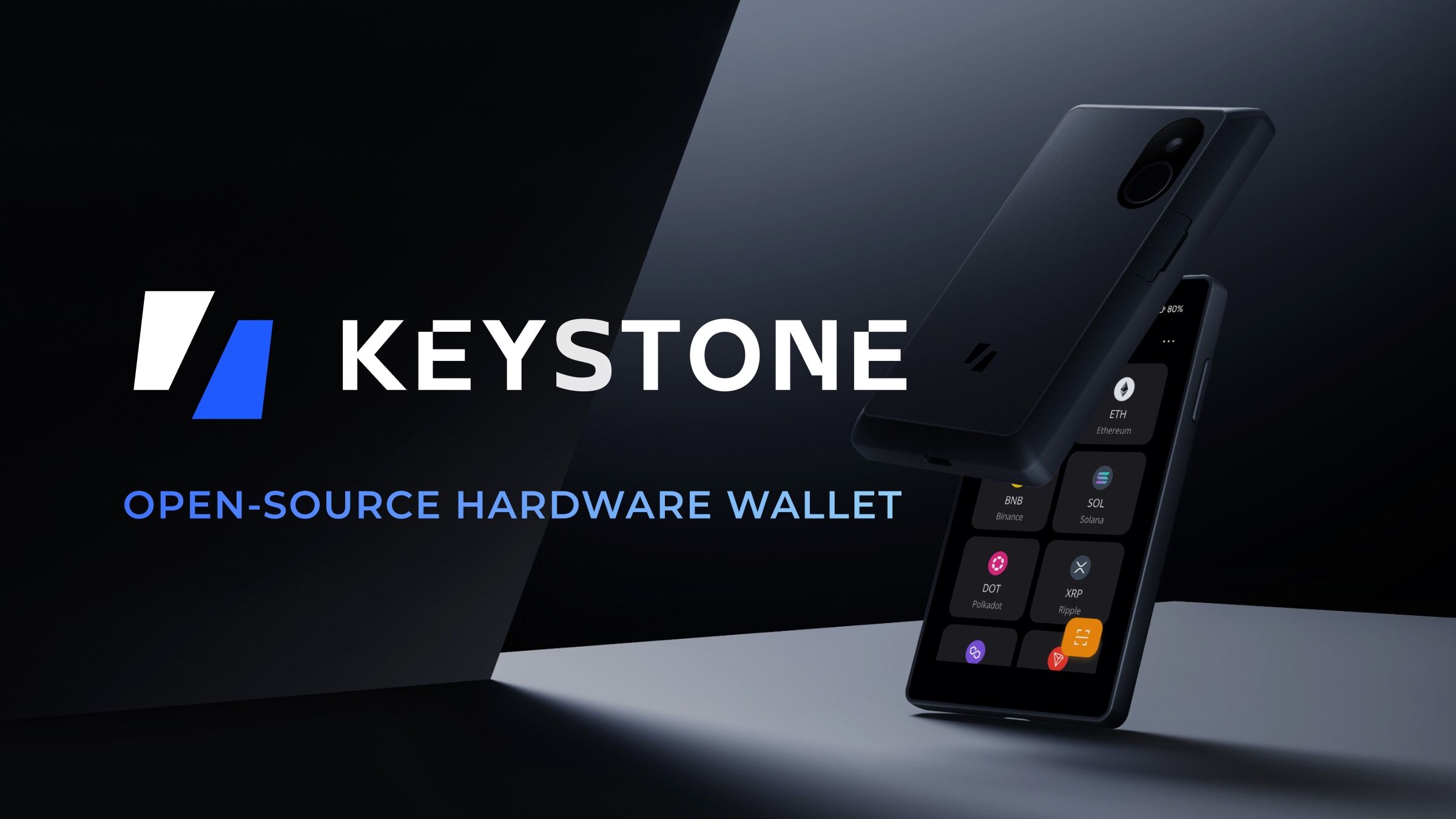
Ein wichtiges Sicherheits-Upgrade ist die Unterstützung von Hardware‑Wallets wie Ledger und Keystone (inklusive Air‑Gapped‑QR‑Workflows bei Keystone). Mechanisch gesehen trennt eine Hardware‑Wallet die Signaturfunktion vom Browser und reduziert damit die Angriffsfläche für Browser‑Phishing und kompromittierte Rechner. Das ist kein Zaubermittel: wenn Seed‑Phrases kopiert oder Backups falsch gesichert werden, nützt die beste Hardware nichts. Aber kombiniert mit der lokalen Verschlüsselung der Extension ist es eine signifikante Reduktion des Diebstahlrisikos.
Funktionalität im Alltag: DEX‑Aggregation, NFTs, Watch‑Only und KI‑Assistenz
Die Extension bietet einen Multi‑Chain DEX‑Aggregator, der Preise über mehr als 500 DEXs vergleicht. Mechanisch verbessert das Slippage und Ausführungskosten, weil Orders über mehrere Liquidity‑Pools geroutet werden können. Für Trader in Deutschland, die auf Gebühren und Slippage achten, ist das ein echter Vorteil — vorausgesetzt, man prüft die Route und versteht Gas‑Trade‑Offs auf unterschiedlichen Chains. Hier liegt ein häufiges Missverständnis: ein günstiger Tokenpreis auf der Aggregator‑Quote heißt nicht automatisch, dass die Endkosten (inkl. Bridge‑Fees, Gas, MEV) insgesamt niedriger sind.
Neben Swaps verwaltet die Extension NFTs across EVM und non‑EVM Chains und bietet einen DApp‑Hub mit Metriken zu Nutzerzahlen und Volumina. Das macht sie zu einem praktischen Dashboard für Multi‑Chain‑Aktivitäten: beobachten statt importieren ist mit dem Watch‑Only‑Modus möglich, wodurch Adressen über 80+ Netzwerke nur lesend überwacht werden können. Das ist nützlich für Portfolio‑Überwachung ohne Schlüsselrisiko, zum Beispiel wenn man Handelsaktivitäten einer anderen Adresse beobachten will.
Das neuere, auffällige Feature ist das OKX Agentic Wallet: eine KI‑gestützte Oberfläche, die natürlichsprachliche Anfragen in vorbereitete und simulierte Transaktionen übersetzt. Mechanisch ist das eine Produktivitätssteigerung — besonders für komplexe Multi‑Step‑Trades —, bringt aber neue Unsicherheiten: KI‑Modelle können Fehldeutungen, Verallgemeinerungen oder Bußfehler machen. In sicherheitskritischen Transfers empfehle ich einen Zwei‑Schritt‑Check: erst KI‑Vorbereitung, dann manuelle Überprüfung auf Route, Slippage‑Toleranz und Zieladresse.
Wo die OKX Wallet Extension gegen Alternativen verliert — Trade‑Offs und Grenzen
Vergleich: MetaMask, Phantom, Ledger Live. MetaMask glänzt in der EVM‑Welt mit Ökosystem‑Integration und Developer‑Support, Phantom ist für Solana optimiert, und Ledger Live ist auf Hardware‑Verwaltung fokussiert. OKX Wallets Vorteil ist native Multi‑Chain‑Breite: Unterstützung für BTC, ETH, SOL, BSC, Polygon, Avalanche sowie L2s wie Arbitrum, Optimism, zkSync und Base. Der Kompromiss ist Komplexität: mehr Chains bedeuten mehr unterschiedliche Gas‑Modelle, Brücken‑Risiken und potenzielle Supportlücken.
Eine technische Einschränkung: Wallets, die per einzelnen Private Key importiert wurden, können keine abgeleiteten Unterkonten (Derived Accounts) erzeugen — hierfür ist eine Seed‑Phrase nötig. Für Nutzer, die Sub‑Accounts oder feinere Kontotrennung wünschen, ist das ein praktisches Hindernis. Das ist kein Fehler, sondern eine Design‑Konsequenz der Schlüsselhierarchie; wer mehrere Sub‑Konten will, sollte Seed‑Phrases oder Hardware‑Wallets mit Account‑Support verwenden.
Ein weiteres Limit ist das Sicherheitsparadox von Multi‑Chain‑Features: automatische Netzwerkerkennung ist komfortabel, erhöht aber auch die Chance, dass Nutzer unbewusst Transaktionen in einer weniger vertrauten Chain bestätigen (andere Gas‑Währung, andere Risiken). Besonders für deutsche Nutzer, die Wert auf klare Regulierung und steuerliche Nachvollziehbarkeit legen, kann das zu Komplikationen bei Steuer‑Reporting und Nachweisführung führen.
Praktische Entscheidungsheuristiken — Wann OKX Wallet Extension nutzen (und wann nicht)
Ein einfaches Heuristik‑Framework für Entscheidungen: drei Achsen — Sicherheit, Komplexität, Produktivität.
– Sicherheit: Wenn Sie Hardware‑Wallets nutzen und Ihr OpSec‑Prozedere sauber ist (offline Backups, keine Seed‑Phrase‑Teilung), dann ist die OKX Wallet Extension attraktiv. Sie reduziert Online‑Verwahrungsrisiken durch lokale Schlüsselhaltung und Hardware‑Pairing.
– Komplexität: Wenn Ihr Workflow einfache EVM‑Swaps umfasst und Sie MetaMask bereits gut kennen, ist der Wechsel nur dann sinnvoll, wenn Multi‑Chain‑Routing oder der integrierte DEX‑Aggregator tatsächlich Kosten sparen. Testen Sie mit kleinen Beträgen.
– Produktivität: Wenn Sie viele DApps nutzen, NFTs auf mehreren Chains halten oder häufig Cross‑Chain‑Swaps durchführen, punktet OKX durch den DApp‑Hub, Watch‑Only‑Monitoring und Aggregator‑Routing. Nutzen Sie die Agentic KI mit Vorsicht: immer manuell validieren.
Was die jüngsten Ankündigungen bedeuten — Aktuelle Signale
In den letzten Wochen hat OKX aktiv Produkt‑ und Handelsangebote erweitert: eine Flash Earn‑Aktion und neue Perpetual Futures zeigen, dass die Exchange‑Seite weiterhin Liquiditätsanreize schafft. Parallel wurde ein Stable‑Netzwerk‑Upgrade für das Wallet angekündigt, mit kurzzeitiger Funktionseinstellung während Wartungsfenstern. Solche Upgrades sind erwartbar, aber sie erinnern an eine grundsätzliche Operational‑Realität: Wallet‑Features können kurzfristig eingeschränkt sein. Nutzer mit aktiven Positionen oder automatisierten Strategien sollten Wartungsankündigungen ernst nehmen und gegebenenfalls Positionen vorübergehend anpassen.
Signal‑Interpretation (bedingt): OKX investiert in Produktintegration und Liquidity‑Incentives. Das erhöht die Nutzbarkeit der Wallet für Trader, schafft aber auch Anreize, komplexere Funktionen (z. B. Futures‑Arbitrage über Wallet‑zu‑Exchange‑Flows) zu nutzen — genau dort entstehen regulatorische und technische Risiken, die man im Blick behalten muss.
FAQ
Ist die OKX Wallet Extension in Deutschland legal und sicher nutzbar?
Ja, die Nutzung an sich ist legal. Sicherheit hängt von Ihrer individuellen OpSec ab. Die Wallet ist non‑custodial und speichert Schlüssel lokal; eine Hardware‑Wallet‑Kopplung erhöht die Sicherheit deutlich. Achten Sie auf Seed‑Phrase‑Sicherung und beachten Sie Wartungsfenster für bestimmte Netzwerkfunktionen.
Kann ich OKX Wallet mit Ledger oder Keystone nutzen?
Ja. Die Extension unterstützt Ledger und Keystone (inkl. air‑gapped QR‑Verbindung bei Keystone). Mechanisch trennt das die Signaturfunktion vom Browser und reduziert Phishing‑Risiken; es ersetzt aber nicht die Notwendigkeit eines sicheren Seed‑Backups.
Wie zuverlässig ist der DEX‑Aggregator?
Der Aggregator vergleicht Preise über mehr als 500 DEXs, was typischerweise bessere Preise oder geringere Slippage ermöglicht. Verlässlich heißt hier: besserer Ausgangspunkt, nicht automatische Optimallösung. Nettopreis muss immer inklusive Gas, Bridge‑Fees und möglicher MEV‑Effekte bewertet werden.
Soll ich die KI‑Funktionen für automatisierte Trades verwenden?
Use with caution. Die KI kann Transaktionen effizient vorbereiten, aber sie sollte niemals ohne manuelle Validierung ausgeführt werden. Besonders bei großen Beträgen oder bei Cross‑Chain‑Brücken ist menschliche Überprüfung Pflicht.
Abschließend ein handfestes Stück Praxisrat: Probieren Sie das System mit geringen Beträgen und schrittweise steigender Komplexität. Nutzen Sie die Watch‑Only‑Funktion, um fremde Adressen zu beobachten, koppeln Sie eine Hardware‑Wallet und prüfen Sie Routings des DEX‑Aggregators manuell. Wenn Sie tiefer einsteigen wollen, lesen Sie Release‑Notes vor jedem Netzwerk‑Upgrade—kurzfristige Wartungen, wie jüngst beim Stable‑Netzwerk angekündigt, können sonst unangenehme Überraschungen erzeugen.
Wenn Sie eine technische Einführung oder eine kurze Schritt‑für‑Schritt‑Übersicht zur Installation und Hardware‑Kopplung suchen, finden Sie eine konzentrierte Anleitung hier: okx wallet extension.

Why your mobile dApp browser matters more than your seed phrase on a busy Saturday
Whoa! I hit the dApp browser on an Ethereum wallet yesterday. It felt like opening a tiny trading desk in my pocket. Initially I thought these mobile browsers were just skins over wallets, but then I dug in and started testing NFT flows, token approvals, and gas tweaks and realized there is real UX nuance and security tradeoffs you don’t notice until you try to trade live. My instinct said somethin’ felt off—permissions were too chatty.
Seriously? Here’s what most folks miss when they pick a self-custody wallet for DEX and NFT use (oh, and by the way…). You need a dApp browser that isolates sessions and manages approvals, with clear session boundaries and explicit per-origin allowance revocation so you can undo mistakes without digging through settings. If the wallet conflates browsing sessions or reuses approvals across unrelated sites, a seemingly tiny signature can cascade into repeated token approvals, phantom trades, or unexpected asset transfers when you least expect them. That’s not theoretical—I’ve seen approvals persist across sites during user testing.
Hmm… Wallets are a UX puzzle because security and convenience constantly fight. People want quick swaps and easy NFT buys, but they also need clear permission controls and intelligible gas feedback, otherwise the speed gains are worthless when users misinterpret a signature and lose funds. On one hand, integrated dApp browsers that preload token lists and route trades through efficient aggregators reduce failed transactions and save users money on gas, though actually those same conveniences can mask what approvals are being granted and where tokens are being spent if the UI isn’t explicit. Okay, so check this out—some wallets now show per-site allowance history and allow per-origin management.
Whoa! NFT support adds another layer—media rendering, metadata rights, and lazy minting all complicate the browser experience. A good Ethereum wallet will cache thumbnails responsibly and avoid loading arbitrary scripts from NFT metadata, which can be risky. Initially I thought caching thumbnails was trivial, but then I witnessed a metadata payload try to pull in external JS and realized that safe rendering needs strict sanitization, content security policies, and sometimes offline previews to keep wallets secure without killing UX. I’m biased, but that part bugs me—exposing raw metadata is a very very bad idea.
Practical trade-offs: what to test in a dApp browser
Really? Browser isolation isn’t glamorous, but it’s essential for DEX trading and NFT buying, and it’s very easy to overlook. Session tabs, per-site key derivation, and ephemeral approvals reduce cross-site risk and help users reason about signatures. On the technical side, methods like EIP-1193 providers with explicit origin binding and hardware-backed key slots meaningfully reduce attack surface, and when wallets combine that with clear heuristics around gas estimation and signature previews, the result is fewer accidental approvals and faster recovery from misclicks. If you want to try a wallet that balances these elements, start by testing dApp isolation features with the uniswap wallet.
I’ll be honest—I’ve burned a few tiny ETH amounts while testing. I ended up using a wallet that offered a smooth dApp browser, clear NFT previews, and granular allowance controls. One handy trick was switching a site to read-only while inspecting signatures, which meant I could see the exact calldata and gas implications without the site being able to prompt another signature mid-check. My approach was pragmatic: test with small amounts, review the approval scope, use hardware signing when available, and educate myself about common NFT metadata attack vectors, which together made me much more comfortable transacting on mobile without sacrificing speed or ragged edge usability. If you want a single starting point, try the wallet I used for testing.
FAQs about dApp browsers, Ethereum wallets, and NFTs
How does a dApp browser differ from a regular browser?
It talks to your wallet keys directly and mediates signatures, so it needs to present each approval and transaction clearly; otherwise you end up signing things you didn’t mean to sign.
Are NFT previews safe to load?
Sometimes not—metadata can reference external assets or scripts, so prefer wallets that sanitize and sandbox metadata or offer offline previews before rendering full content.

Why CoinJoin Still Matters: A Pragmatic Guide to Anonymous Bitcoin
Whoa! I remember the first time I watched a CoinJoin take shape on my screen. It felt like watching a small rebellion against surveillance, quiet and technical but meaningful, and for a minute I was oddly proud. My instinct said this was the defensive tech we’d been waiting for, though actually, wait—let me rephrase that: CoinJoin is more like a toolkit than a magic cloak. On one hand it reduces traceability; on the other, there are trade-offs you have to accept, and those choices matter a lot.
Seriously? Yes. CoinJoin isn’t some mystical privacy button that makes you invisible. It mixes coins from multiple people, creating ambiguous transaction graphs, which complicates blockchain analysis and raises the cost for anyone trying to deanonymize users. Hmm… that still leaves lots of room for error, because humans use tools poorly sometimes, and wallets have design constraints. Initially I thought a single tool would do the job, but then I realized layered strategies work better in practice.
Wow! Here’s the thing. You can use CoinJoin and still leak information through timing, amounts, or linked services like exchanges. Some people forget that privacy is a process, not a product. On the technical side there’s sound math and heuristics that defend privacy, though actually the battlefield keeps shifting as analytics get smarter and laws evolve. So think of CoinJoin as a durable hedge, not a permanent asylum.
Okay, so check this out—there’s been a lot of confusion about which wallets to trust for CoinJoin. I’m biased, but user-experience matters because if a wallet is painful to use people will bypass privacy steps. I used to run a mixed setup with command-line tools and GUI wallets, and the learning curve was steep for folks who just wanted to pay for coffee. Something felt off about expecting privacy from tools that were clearly designed by engineers for engineers. That mismatch is a real adoption barrier.
Really? You bet. At the protocol level CoinJoin is simple: multiple participants construct a single transaction with outputs indistinguishable by amount or script type, breaking deterministic chains. But in practice, metadata creeps in everywhere—you leak when you broadcast, when you consolidate UTXOs, when you interact with custodial services, and when you reuse addresses. On one hand you can be meticulous about OPSEC, though on the other hand real life introduces constraints like fees, timing, and human error that push people back to convenience.
Whoa! Let me tell you a story. I once had a friend move funds through a mixer, then tip someone on social media the same day and link to a deterministic address. That single action undone much of the effort. Small mistakes like that are common. So you need both good tools and good habits. My instinct said that better UX would close that gap, and in many cases it does.
Hmm… about wallets. There are dedicated privacy wallets that integrate CoinJoin flows and handle the messy bits for you. They automate round selection, fee estimation, and punish timing leaks by batching or delaying broadcasts. But no wallet is a silver bullet; you still need to understand what it’s doing under the hood so you don’t accidentally undo the benefit. On balance, though, using a privacy-aware wallet dramatically raises the bar against casual chain analysis.
Wow! Check this out—if you want an example of a wallet that focuses on CoinJoin and privacy, take a look at wasabi wallet. It pioneered desktop-based CoinJoin with an emphasis on cryptographic fairness and non-custodial operation, and many lessons from it informed later designs. I’m not shouting its praises blindly; there are trade-offs like UX complexity and the need to understand UTXO management. Still, if you care about privacy and want a practical, battle-tested option, it’s one of the first places I point curious friends.
Whoa! Privacy is a moving target. Analytics firms build better heuristics, exchanges apply KYC that links identities, and sometimes regulations nudge custodial players to restrict services. That dynamic means your privacy strategy should be layered: use CoinJoin, but also spread custody, avoid reusing addresses, and separate on-chain activity from identity-linked services when possible. Something as simple as timing your spends around CoinJoin rounds—rather than immediately spending mixed outputs—helps a lot. I’m not 100% sure about every edge case, but those practices cut many common deanonymization paths.
Really? Yes, and here’s the trade-off most people miss: liquidity and convenience cost privacy. If you always want the lowest fee and fastest confirmation, you’re likely to pick paths that leak more info. Conversely, if you accept delays, non-standard change handling, or batching, you can improve privacy. Initially I thought people would trade convenience for privacy in droves, but in reality adoption is incremental and often slow. Still, incremental improvements add up over months and years.
Whoa! There’s also the legal and social dimension. In some jurisdictions running or participating in CoinJoin may attract scrutiny even if it’s legal. People will assume guilt in certain contexts, and exchange compliance teams may freeze or flag funds pending review. On one hand, privacy is a fundamental value for many users; though actually, you must weigh operational risk if you rely on centralized services afterwards. Balancing privacy with practical needs is an art, not a math problem.
Hmm… the technical mechanics deserve a brief unpacking. CoinJoin transactions usually feature identical output denominations to avoid amount-based linking, and clever schemes randomize selection so no participant can cheat the coordinator. Some implementations use multi-party computation to avoid trusting a coordinator, though these protocols are more complex. On the other hand, centralized coordination simplifies UX and reduces round failures, which is why hybrid approaches persist in the wild. Initially I favored fully decentralized designs, but the maturity curve for hybrid systems surprised me.
Wow! I should mention operational tips. First: never reuse change addresses that correlate pre- and post-mix transactions. Second: avoid consolidating many small mixed outputs into a single spend unless you have a plan for the privacy repercussions. Third: consider keeping a cold stash that never touches mixers for ultimate isolation. These are simple, though people often ignore them when moving funds fast. I’m biased toward cautious workflows, because I’ve seen recoveries from mistakes be painful and expensive.
Really? Yeah. Fee dynamics also matter. Mixed transactions sometimes pay slightly higher fees to incentivize participation and faster rounds, and fee pressure can force rounds to be suboptimal. Timing coinjoins during low-fee windows helps, and wallets that batch or delay to get better fees often provide better privacy. On one hand that adds complexity; on the other hand the privacy benefit can be substantial when you’re trying to defeat automated heuristics that rely on fee-based clustering.
Whoa! For developers and privacy advocates, design choices are critical. UX that explains what’s happening in plain English reduces risky behavior. Transparency about trade-offs—like telling users when their output will be linkable if they take a certain action—builds trust. I favor small, clear nudges in interfaces rather than overwhelming technical detail, because people react better to simple guidance when under time pressure at an ATM or checkout. Somethin’ as simple as a clear reminder can cut dumb mistakes in half.
Hmm… looking forward, what matters most is adoption and education. Without more users and better integrated tooling, analytics firms will keep getting smarter, and privacy will remain asymmetrical—easy to attack, hard to defend. We need wallets that lower the skill floor, exchanges that respect privacy principles while meeting compliance, and social norms that stop equating privacy with malice. I’m optimistic, but cautious—these systems take time to mature, and there will be setbacks.
Whoa! Final thought. Privacy isn’t a destination; it’s a practice. CoinJoin is one of the most practical and accessible tools we have for on-chain privacy, but like any tool it only works when used thoughtfully. I’m not selling a miracle. I’m just saying: if you care about shielding financial metadata, adopt a layer of CoinJoin, learn a few core habits, and be a little patient—privacy compounds over time. And if you want hands-on experience, try mixing with a wallet that understands the ethos and mechanics behind CoinJoin.
Practical FAQs for Curious Users
Here’s a small Q&A to tackle the common nagging questions people ask me late at night when they’re worried about privacy and wallets.
FAQ
Will CoinJoin make my coins completely anonymous?
No. CoinJoin will significantly increase your anonymity set and make casual analysis far more expensive, but it doesn’t guarantee perfect anonymity. Initially I thought anonymity could be absolute, but real-world correlations—like KYC exchanges, timing leaks, or address reuse—can reveal links. Use CoinJoin as a strong privacy layer within broader OPSEC practices.
Can I use CoinJoin and still interact with exchanges?
Yes, but be careful. Depositing mixed outputs to KYC exchanges can trigger blocks or freezing while compliance teams investigate. On the one hand you might need to move funds for practical reasons; on the other hand you should expect questions and possibly delays. If you must use exchanges, consider splitting funds and giving time gaps between mixing and deposits.
Which wallets are good for CoinJoin?
There are a few privacy-focused wallets that implement CoinJoin or similar mixing techniques in thoughtful ways. For a practical, non-custodial desktop option that has been influential in this space, see wasabi wallet. Pick a wallet that documents its trade-offs, and practice with small amounts first so you learn the flow without risking much.

How I Keep My Solana Portfolio Tracked, My Ledger Safe, and My Transaction History Tidy
Mid-thought: wallets are personal. Whoa! Managing Solana feels different than Ethereum. My instinct said that a single app could do everything, but actually, wait—let me rephrase that: one app can show you a lot, though it rarely handles every edge case. Hmm… this is one of those things that seems simple until you start staking, bridging, or using a DEX.
Here’s the thing. Tracking assets on Solana is both easier and messier than you’d expect. Short bursts of good news—fast block times, low fees. Longer headaches—splintered token lists, wrapped derivatives, and little program accounts that look like tokens but aren’t. I used to eyeball my holdings in my wallet app. That worked until I claimed airdrops or participated in a program and suddenly had phantom balances.
So I built a tiny workflow. It’s not perfect. It does three things well: (1) gives me a clear portfolio view, (2) lets me sign transactions with a hardware wallet, and (3) preserves an auditable transaction history I can actually read. I’m biased toward simplicity, but I’m honest about trade-offs—security vs. convenience is real, and sometimes I choose one over the other depending on what I’m doing.
Portfolio tracking: one dashboard, many sources
Okay, so check this out—tracking begins with canonical data sources. For balances I pull from on-chain state (wallet addresses, token accounts) and then normalize tokens by mint address so nothing gets counted twice. Initially I thought a single wallet balance would be enough, but then realized that many DeFi positions live in program-owned accounts, and unless you query those program states you miss value. On one hand that adds complexity; on the other, it makes your snapshot more accurate.
Tools matter. Wallet-native dashboards are convenient. Dedicated portfolio trackers give historical P&L. I mix both. I also tag addresses—cold storage, staking, LP positions—so I can filter fast. Something felt off about blind automation, though; manual spot-checks every 1–2 weeks catch oddities. (oh, and by the way…) I keep a lightweight CSV export as a backup—old school, but it helps when APIs change.
Short tip: reconcile token mints, not symbols. Symbols lie. Trust pubkeys.
Hardware wallet integration: why I plug a Ledger in every time
Seriously? You still trust a hot wallet for big stakes? I hope not. My Ledger (or similar device) is central to how I authorize anything important. Connecting hardware wallets reduces exposure to browser malware, phishing overlays, and accidental key leaks. That said, connecting a hardware wallet to an app introduces UX friction. My brain hates friction, but my portfolio thanks me later.
Initially I thought “Ledger + any app” was just plug-and-play. Actually, integrations vary by app and by Solana program compatibility. Some staking pools or advanced DeFi contracts require PDA interactions that certain interfaces don’t reveal cleanly. On one hand you get strong security; though actually it can be tricky to confirm exactly what you’re signing when a contract has many nested calls. My workaround: scan the transaction data, check the destination programs, and sign only when I understand the intent. Not glamorous, but effective.
I prefer apps that explicitly support hardware signing and that surface readable instruction summaries. If you want a wallet that plays nicely with hardware devices and has a good UX for staking and DeFi, I recommend checking here—it’s where I often start when I need clarity and device support. I’m not paid to say that; it’s just my workflow.
Transaction history that actually tells a story
Transaction history is more than timestamps and amounts. It’s breadcrumbs. Each tx should tell you: who initiated it, which program was invoked, and what state changed. I tag transactions locally as “stake”, “swap”, or “airdrop”, and I keep notes on outliers. Sometimes I find phantom transactions caused by token wrapping or program fees—those are annoying. Very very annoying.
Pro tip: export raw transaction JSON occasionally. You can parse it offline, cross-reference instruction logs, and build confidence in what happened. My habit: after any major move (bridge, stake, opt-in), I snapshot the tx, annotate it, and store the proof. It saved me when a staked amount didn’t show up correctly in an aggregator—turns out the aggregator missed a program-derived account.
Also, watch for nonce-style reuse attempts and replay anomalies if you’re running multiple signing endpoints. I’m not 100% sure the average user needs to worry about that, but if you run scripts or bots, it matters.
FAQ
How often should I reconcile my portfolio?
Weekly is a good cadence for active users. Monthly suffices for passive stakers. If you make big moves—bridging, claiming airdrops, or interacting with unfamiliar programs—reconcile immediately. Manual checks catch subtle mismatches that automated trackers miss.
Can I rely solely on an app’s transaction list?
Not really. Apps are helpful, but they sometimes abstract program calls into vague labels. Cross-check with on-chain explorers and your exported tx JSONs when in doubt. If a transaction looks weird, pause and dig—don’t approve another related tx until you understand it.